Trying MiniMax H3 Video Generation for the First Time
Around the launch of MiniMax H3, I happened to open Bilibili and came across an AI transformation video. The character’s appearance changed, along with the hair, clothes, and weapon. Other people’s results looked pretty good, so I gave it a try.
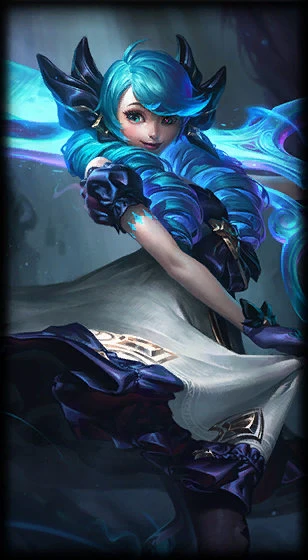
I used Gwen from League of Legends. Her skin splash illustrations show the same character in different outfits. I took six images and generated a transition between each neighboring pair: five clips to join into one video.
Why is Gwen just standing there?
I started with HappyHorse on Alibaba Cloud, supplying a starting image. Then I tried Wan with both a starting and an ending image. I got video files, but the outfit change didn’t work as I’d hoped: she barely moved for the first few seconds, then abruptly changed near the end.
The first and last frames specify the endpoints. The model still has to generate everything between them. The prompt in my notes asked it to settle into the second image at the end. That describes an endpoint; it does not ensure a gradual transition of hair, clothes, and weapon. A sudden switch reaches the right ending without showing a continuous transformation.
My notes put that Alibaba Cloud round at more than RMB 80. I had videos, but no finished one I wanted to keep. I stopped that attempt and looked for other source images.
The source images had a problem of their own. I had used narrow 308×560 loading-screen pictures. Gwen was fully visible, but the scenery on either side had been cropped away. Expanding them to widescreen either left black edges or asked the model to guess what belonged there.
I switched to complete skin splash art from Riot Games. The six saved images were all 1215×717, with scenery on both sides of the character. Enlarging a loading image won’t bring back the cropped content. With wide artwork available, I could skip asking a model to fill in the background.
Swipe or scroll sideways to see all six. Click an image to enlarge it. Artwork: Riot Games.
For this round I also switched to MiniMax H3 (opens in a new tab). The prompt put the transition first: keep moving throughout the clip, with gradual changes to the hair, clothes, and weapon, rather than an abrupt switch at the end.
This round showed Gwen gradually changing outfits. But I’d changed the model, images, and prompt together, so I couldn’t credit the improvement to one line of the prompt.
Joining six images into one video
Six skin images required five generated clips. Each clip used two neighboring images as its first and last frames. The first went from image 1 to image 2; the second went from image 2 to image 3. Each pair of clips shared an image at the cut.
Sharing an image helps the character’s appearance match at the cut. Movement needs its own check: the speed and direction at the end of one clip may not flow into the next. FFmpeg can join the files; it can’t fill in movement the model failed to generate.
I joined the five clips in order with FFmpeg, a video-processing tool, then worked on the sound.
Adding the sound afterward
After joining the clips, I chose five lines from Gwen’s Chinese voice-over and added her official theme.
The voice collection was long. I used local speech recognition to find roughly where the lines were, cut out the ones I wanted, and placed them in the video. In the finished version, the theme plays throughout and the lines come in at chosen points. These sounds were added afterward.
The final video runs for about 26 seconds: six skins, five continuous transformations, and five Chinese voice lines.
Open or download this videoThe prompt and the order of the steps are preserved in these production notes (in Chinese).
I recorded RMB 35 spent on the MiniMax account, including test clips and music I tried. That doesn’t tell me what the five final video clips alone cost. Dividing it by 26 seconds won’t give a price per second, either. The earlier RMB 80-plus on Alibaba Cloud was still part of the trial and error.
Comments